Recommends
Featuring exclusive film previews, interviews and much more, this is the place for anyone slightly obsessed with cinema.
Featuring exclusive film previews, interviews and much more, this is the place for anyone slightly obsessed with cinema.
23 Dec 25
Make it your New Year's resolution to banish the January blues with some vicarious bad behaviour! Join us for our season of scandal and sin, as we celebrate some of the finest movies of Hollywood's legendary pre-Code era. From go-getting bad girls to gangsters and gruesomeness, we span the spectrum of guilty pleasures that industry self-regulation sought to stamp out.
'No picture shall be produced which will lower the moral standards of those who see it. Hence the sympathy of the audience shall never be thrown to the side of crime, wrong-doing, evil or sin.' (1930 Production Code)
In the early twentieth century, the booming popularity of cinema as an affordable form of mass entertainment was matched by growing consternation among morality campaigners around the world. In the 1910s, as longer films brought more immersive stories, their previously uncredited performers assumed star status, and newly launched movie magazines fed the appetites of a surging fan culture, fears of negative impacts upon public morals rose to giddy heights.
With censorship decisions in the hands of local authorities, navigating geographically divergent requirements for cuts – or outright bans – became an expensive headache for Hollywood. Seeking to stabilise the situation, while also staving off the looming prospect of more rigorous censorship at a national level, the American film industry followed Britain's example by instigating a programme of self-regulation.
Thus, 1922 saw the formation of the Motion Picture Producers and Distributors of America, a trade association headed by Will H. Hays who, after liaison with various pressure groups, published, in 1927, an advisory code of 'Don't's and Be Carefuls', followed, in 1930, by the more detailed 'Production Code'. Yet, with the MPPDA lacking the teeth to enforce these recommendations, they were widely ignored.
The social turmoil of the Depression years brought new topics, genres, and character types to the forefront of Hollywood cinema. Grit met glamour as the effects of poverty found expression in gangster films, prison dramas, and tales of con artists, gold-diggers, and fallen women. With the early 1930s bringing a precipitous, albeit short-lived, box office plunge, studios frequently chased sensation – paying only the scantest lip service to the final-reel punishments or acts of atonement that were supposed to set the nation's fragile moral compass back on track.
After four years of delectable depravity, the party ended on 1 August 1934 when, under growing pressure from the Catholic Legion of Decency, new measures enforced hefty fines for non-compliance with the Code. But it was fun while it lasted, so come and indulge yourself with five of the best!  Deborah Allison
William A. Wellman, 1931 (PG) 83 mins
Sun 4 Jan | Book Now
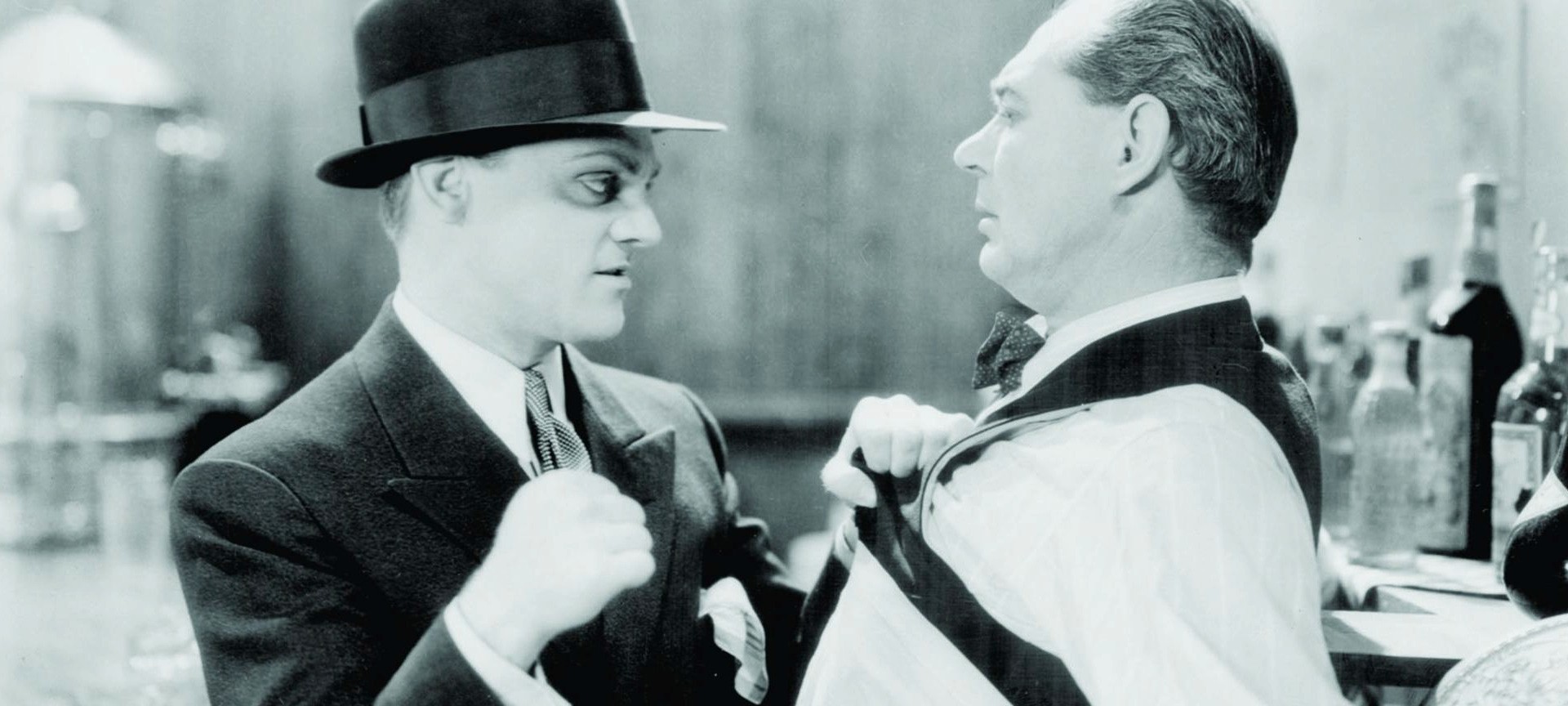
Based on the unpublished novel Beer and Blood, and directed by William A. Wellman, The Public Enemy follows the rise and fall of Tom Powers (James Cagney) a young Irish-American whose childhood of petty crime escalates to a life of brutal, cold-blooded violence in the underworld of Prohibition-era Chicago.
In the early 1930s real-life criminals became celebrities, and two particular men captured the American imagination: John Dillinger and Al Capone. The decade also saw the gangster blast his way into Hollywood, with films charting the rise and ultimate fall of the criminal antihero. The gangster film became the most provocative of genres for the moral guardians of America, who feared the potential repercussions of making big-screen heroes out of cold-blooded killers. What made the gangster film so subversive and problematic to the censors was that during the Great Depression, there was already a perception that the only way to achieve any degree of financial success was through crime.
On The Public Enemy's grubby Chicago streets, crime pays good and hard. But the glorification of gangsters didn't last long. Nine gangster films were released in 1930, 26 in 1931 and 28 in 1932, dropping to 15 in 1933 and then off a cliff in 1934 with the enforcement of the Hays Code. Backlash to the gangster film was swift, and it was sharp. Rose Butler
Alfred E. Green, 1933 (15) 76 mins
Sun 11 Jan | Book Now
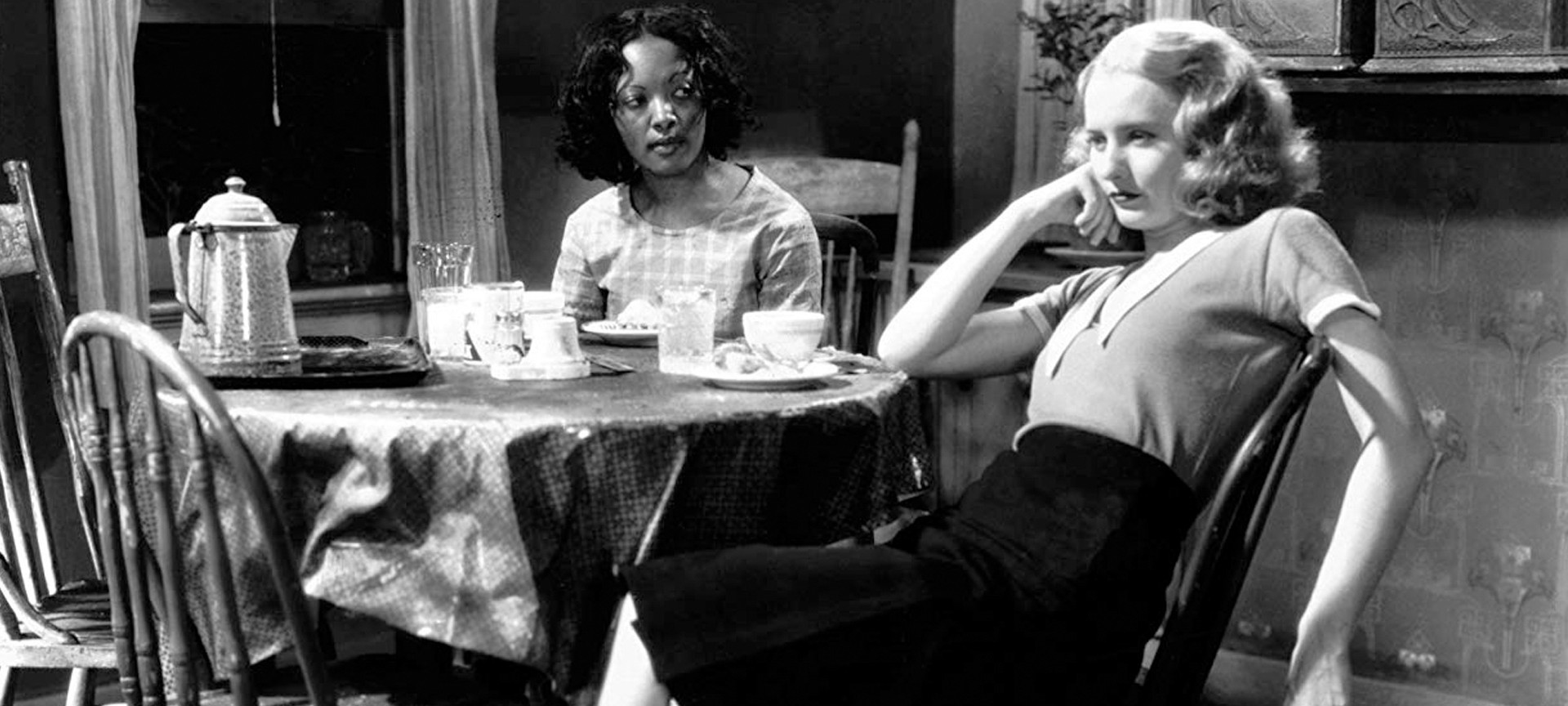
'She had "IT" and made "IT" pay!' ran the tagline for Baby Face: the taboo-shattering story of Lily Powers (Barbara Stanwyck), a small-town graduate of the school of hard knocks who uses her unabashed sexuality to scale the heights of New York society, man by man. One of the most scandalous films of the pre-Code era, it helped hasten the stricter enforcement of Hollywood's censorship guidelines.
Lily became a poster child for the social and economic struggles of Depression-era America. Hardened by suffering and inspired by the Nietzschean musings of her Will to Power-reading friend and mentor, she emerged, as the trailer boasted, 'a woman without a conscience [who] used her power over men to get what life denied her'.
Nietzsche did not sit well with the censors; nor did the implication that Lily's brutal father had pimped her out from the age of fourteen, or her blatant exchanges of sex for professional advancement. After several state censorship boards rejected the film in its original form, Warner Brothers yielded to ongoing pressure from the Hays Office. Scenes were cut, dialogue re-edited, Nietzsche replaced by a wholesome pep talk about the 'right way' and the 'wrong way' to get ahead, and the ending reshaped to emphasise so-called compensating moral values.
After the archival discovery of an uncut negative in 2004, Baby Face was restored to its infamous original version, so sit back and admire the panache with which Lily 'played the love game with everything she had for everything they had'. (DA)
Edgar G. Ulmer, 1934 (15) 65 mins
Sun 18 Jan | Book Now
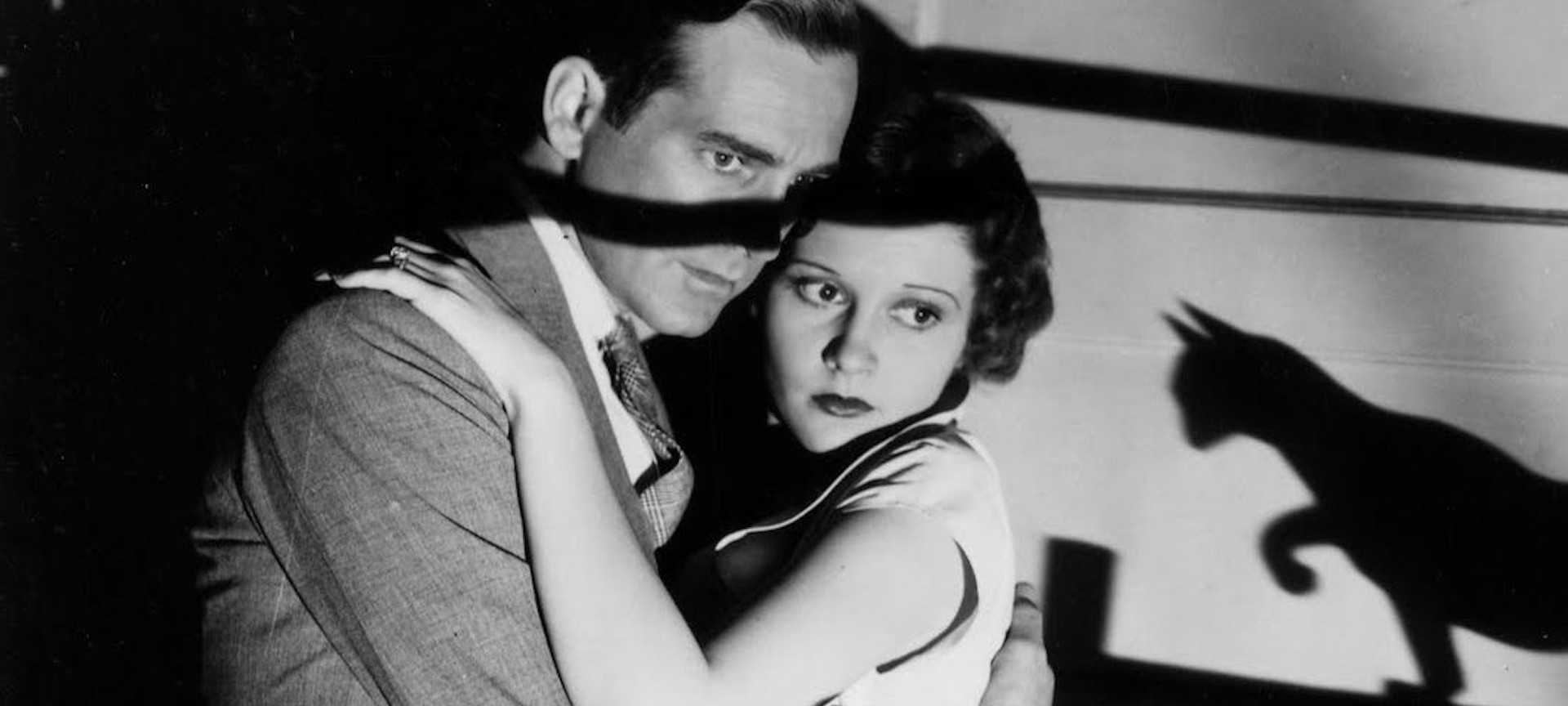
Released in America in May 1934 – just weeks before the establishment of the Production Code Administration, itself set up to more thoroughly enforce the Motion Picture Production Code – The Black Cat remains one of the most challenging and startling horror films of the 1930s. The creative freedoms afforded to writer Peter Ruric and director Edgar G. Ulmer by those last few months of pre-Code Hollywood meant that The Black Cat is one of the most perverse and – by the standards of the day – extreme films of the time.
It would be the first of eight films to star Universal Studios' biggest and most bankable horror stars: Boris Karloff and Bela Lugosi. Over the next several years they would pair in The Raven (1935) and Son of Frankenstein (1939) among others, but The Black Cat would remain their most significant collaboration. It would go on to become Universal's highest grossing film of 1934, and a landmark of the genre. Concerning itself with sexual repression, Satanism, and sadistic revenge, it's often considered to be America's first psychological horror film. Earlier in his career, director Ulmer worked under F. W. Murnau and Fritz Lang, and their expressionistic influence is laced throughout The Black Cat; fantastic patterns and set designs pair with striking lighting to create a visually arresting nightmare. (RB)
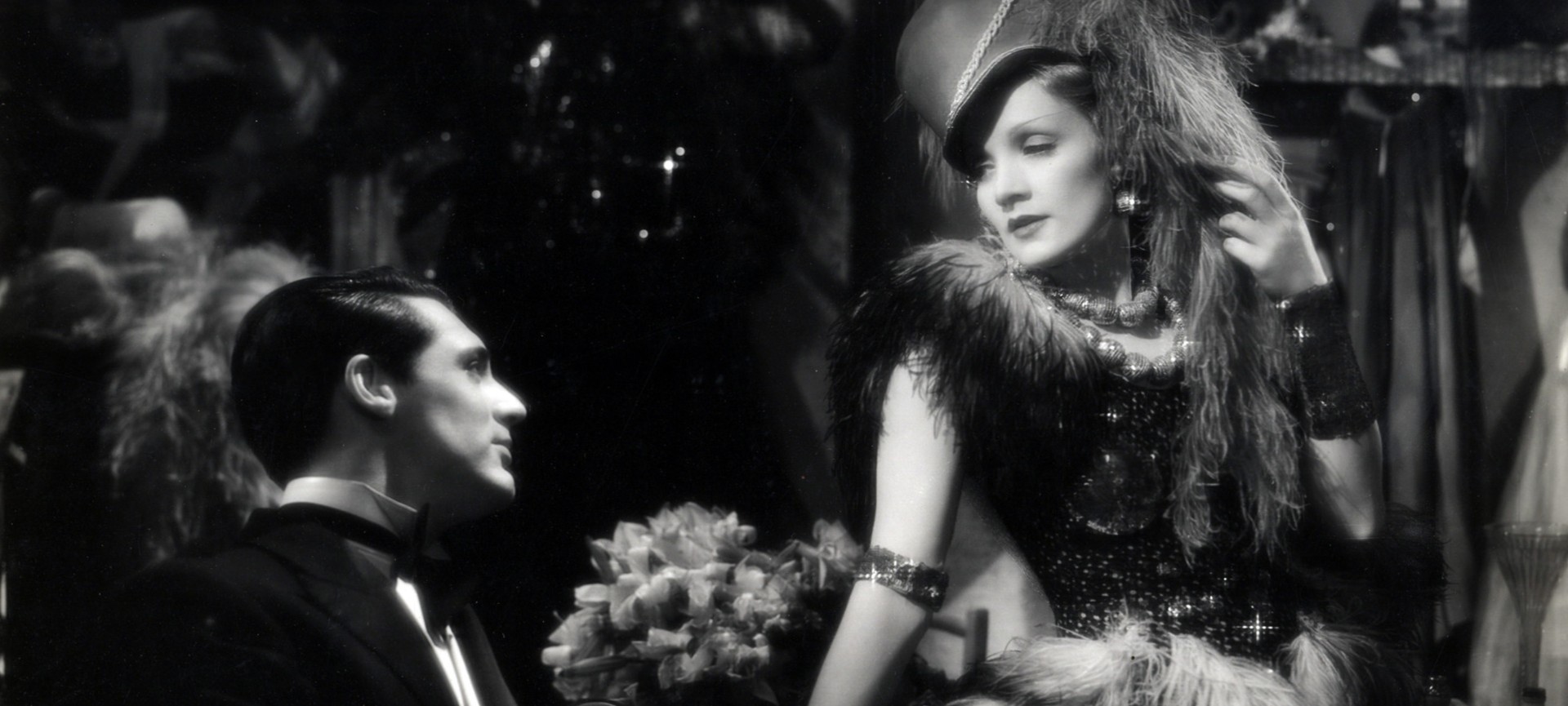
Josef Von Sternberg, 1932 (PG) 94 mins
Sun 25 Jan | Book Now
Glamour, scandal and sacrifice are the keynotes of Blonde Venus, the fifth of seven dazzling collaborations between actor Marlene Dietrich and director Josef von Sternberg. Dietrich scintillates as Helen Faraday, a devoted wife and mother who returns to the nightclub stage to finance her husband's medical treatment, only to be lured into a dangerous liaison with millionaire playboy Nick Townsend (Cary Grant).
One of the most fascinating of pre-Code Hollywood's fallen women films, Blonde Venus grapples with the complex intersection of moral intention and transgressive behaviour. It went through three screenplay versions before entering production, with its handling of adultery proving an especially thorny issue, alongside implied prostitution and contentious song lyrics.
If the final script sought to articulate the voice of morality, the film's publicity campaign did much to undermine its message of atonement and redemption. Marketing materials focused less on Helen's dilemma than on Dietrich's star persona. 'Only Dietrich can give such beauty, such dignity, such allure to the scarlet letter!' ran the caption to one glamorous photograph in Screenland magazine.
Indeed, the branding of adultery extended beyond the screen. Blonde Venus premiered in the wake of a rumoured affair between Dietrich and von Sternberg (both married), which, following a lawsuit filed against Dietrich by the director's estranged and soon-to-be ex-wife, had already generated considerable public gossip. Conflating star and role, Blonde Venus was advertised as 'An amazing story made more glamorous by Dietrich the exotic… a fallen woman you love… understand and forgive!' (DA)
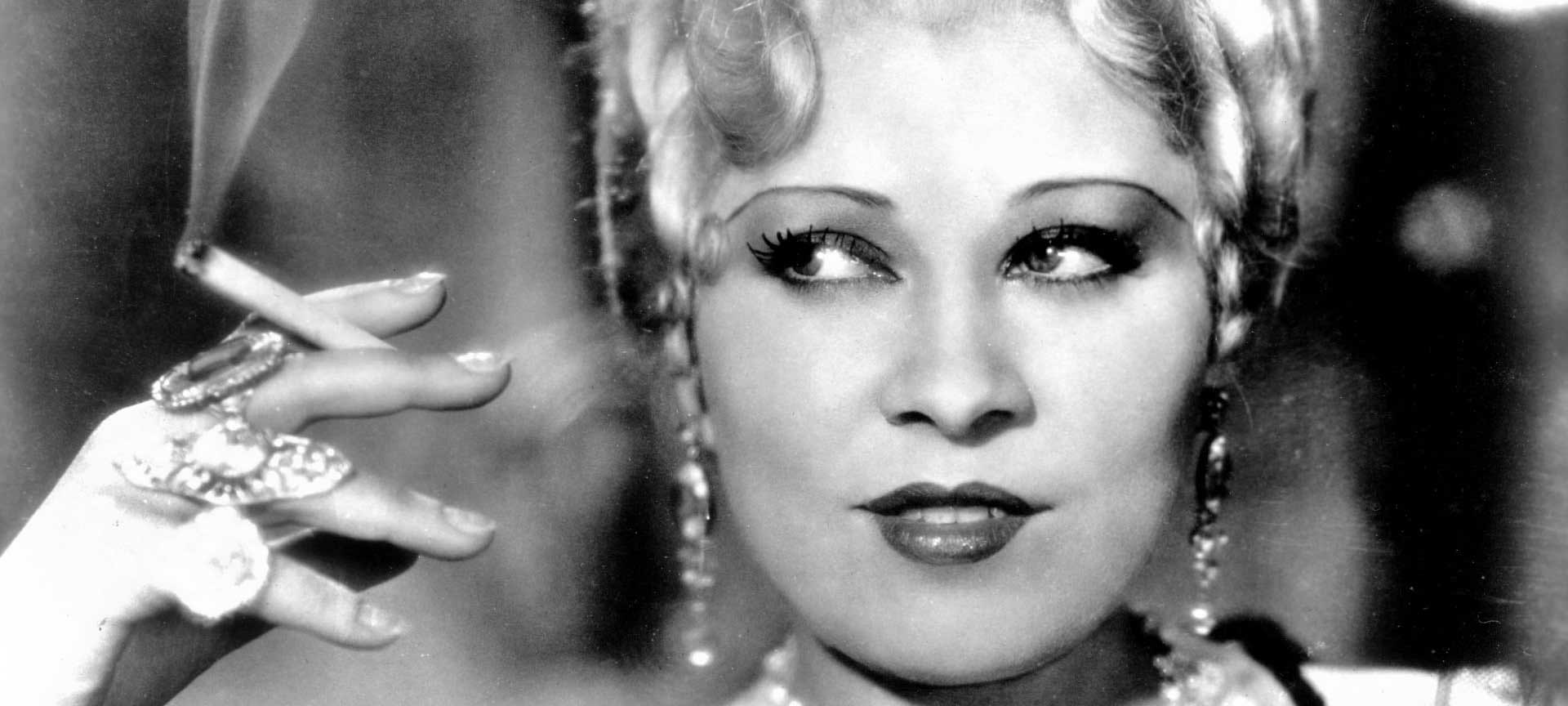
Wesley Ruggles, 1933 (U) 87 mins
Sun 1 Feb | Book Now
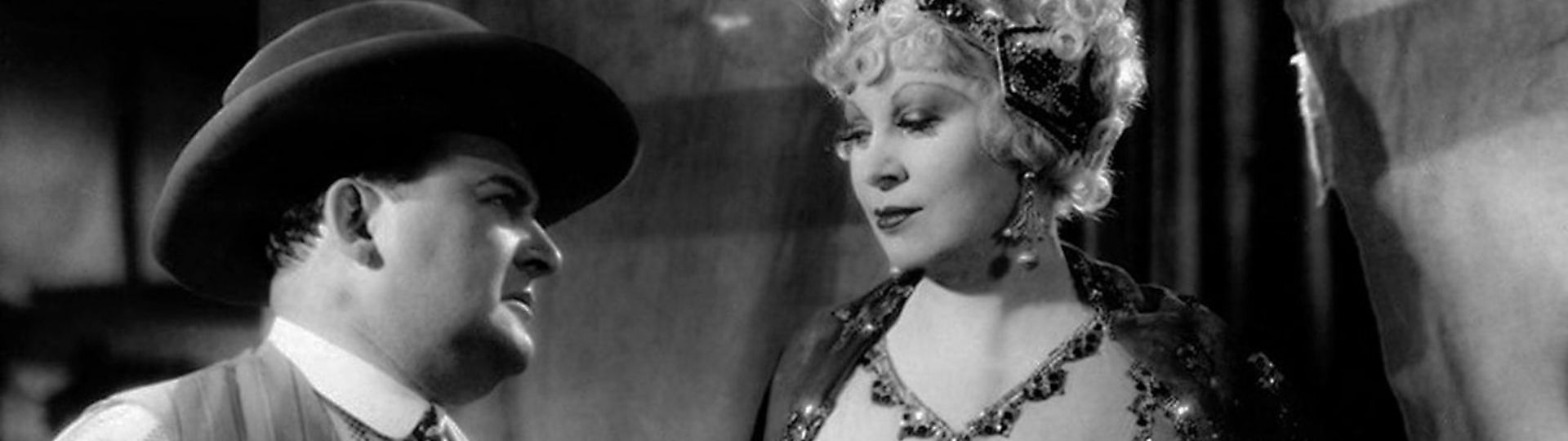
Released just months after She Done Him Wrong, I'm No Angel continued to establish its star, Mae West, as one of Paramount's most bankable – albeit controversial – assets. The film follows West as Tira, a bold dancer and lion-tamer as part of a travelling carnival. When she finds herself in New York, rich socialite Kirk Lawrence (Cary Grant) is smitten, not realising her risqué past.
I'm No Angel is a darkly hilarious romp, dripping with sex and innuendo and featuring some of West's most infamous lines ('Well, it's not the men in your life that counts, it's the life in your men'). Her sexual confidence and control over her own image were unheard of at the time, with West granted incredible freedom over her projects at Paramount, who, on the brink of bankruptcy, put great faith in West. Her contract with the studio stipulated she could write her own scripts and oversee everything from her co-stars to her costumes. By 1935, she was Hollywood's highest paid entertainer – and the highest paid woman in America.
After the enforcement of the Code in 1934, West's box office appeal diminished after her films suffered heavily at the hands of the censors who wanted to reinstate morality to the movies. But the eternally sharp West would get the last word, famously stating: 'I believe in censorship; I made a fortune out of it.' (RB)
From beloved classics to unearthed gems, reintroduce yourself to the best films of yesterday with reDiscover — be that last decade, or last century.